While allergies are often associated with humans (like people who are allergic to cats) it’s important to know that cats themselves can also suffer from allergies.
Allergies in cats can be triggered by environmental factors like pollen or dust, certain foods, flea bites, or even substances they come into contact with. These allergic reactions can lead to symptoms such as itching, sneezing, or digestive issues, making your cat feel miserable.
The good news? Once you understand the causes and symptoms of allergies in cats, you can take steps to manage them. In this guide, we’ll break down everything you need to know to help your cat feel better, including common types of allergies, their symptoms, and treatment options.
Jump to:
What causes allergies in cats?
Like humans, cats can develop allergies, but the triggers and symptoms are specific to them. Pinpointing the cause of your cat’s allergies is the first step to effective treatment. Below, we talk about the four main types of allergies in cats and what you need to know about each of them.
1. Environmental allergies in cats
Environmental allergies, also called atopic dermatitis, occur when cats react to allergens in their surroundings.
Common triggers include:
- Pollen from trees, grass, or flowers
- Dust mites
- Mold spores
- Certain types of grass or weeds
Cats with environmental allergies might experience worse symptoms during spring or summer due to higher pollen levels, while indoor allergens like dust can cause issues year-round.
2. Food allergies in cats
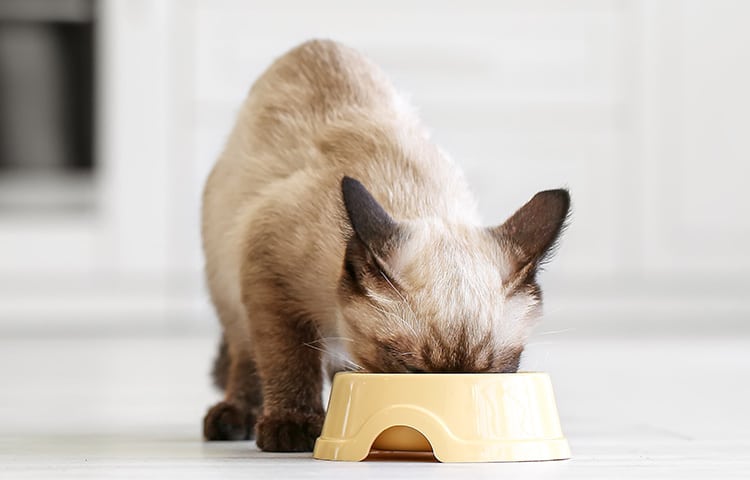
Food allergies in cats occur when their immune system reacts to certain proteins in their diet. Unlike environmental allergies, food allergies are not seasonal and can happen anytime, depending on what your cat eats.
Common culprits include:
- Beef
- Chicken
- Fish
- Dairy products
Symptoms often include itchy skin, especially around the face, neck, and ears, and digestive issues such as vomiting or diarrhoea.
3. Flea allergies in cats
Flea allergies are one of the most common types of allergies for cats. Some cats are hypersensitive to flea saliva, meaning even a single flea bite can trigger a severe reaction.
Symptoms of flea allergies include:
- Severe itching and scratching
- Hair loss near the base of the tail or hind legs
- Scabs or sores from over-grooming or scratching
Even indoor cats can develop flea allergies if fleas are brought into the house, so regular flea prevention is crucial.
Although less common, contact allergies happen when cats react to substances they touch.
Potential triggers include:
- Cleaning products
- Detergents used on bedding or carpets
- Synthetic fabrics in furniture or blankets
Contact allergies typically cause redness or rashes in the areas where the cat comes into contact with the allergen.

How to spot allergies in cats
Allergy symptoms in cats can mimic other health issues, making them tricky to spot. If you notice changes in your cat’s behaviour or appearance, it’s important to pay close attention and speak to your vet.
Key allergy symptoms in cats include:
- Itching or over-grooming: Watch for excessive scratching, licking, or chewing of their skin, especially around the face, neck, or tail.
- Skin problems: Look for redness, rashes, scabs, or bumps caused by scratching or allergic reactions.
- Respiratory issues: Symptoms like sneezing, coughing, watery eyes, or a runny nose may suggest environmental allergies.
- Digestive troubles: Vomiting or diarrhoea can be signs of food allergies.
- Ear problems: Frequent head shaking, ear scratching, or dark wax build-up could signal chronic ear infections linked to allergies.
If you notice these symptoms, consult your vet for a proper diagnosis.
Diagnosing allergies in cats
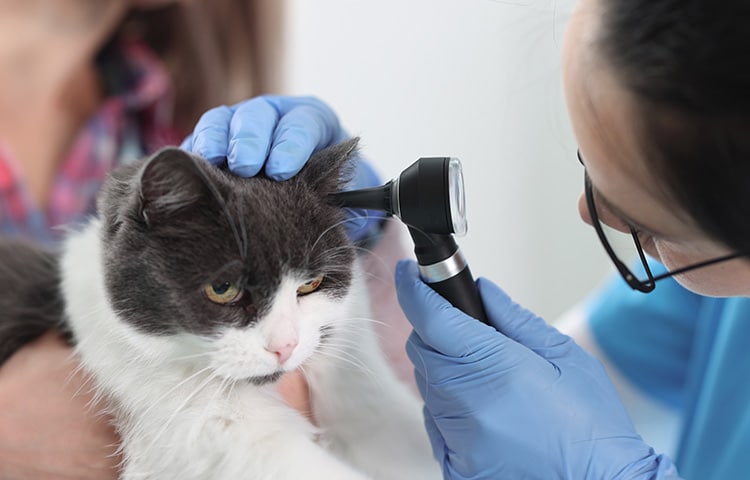
When you suspect your cat has allergies, a vet visit is the first step. Here’s how a vet might diagnose an allergy in your cat:
- Physical examination: The vet will assess your cat’s overall health, skin, coat, and ears.
- Flea treatment trial: If flea allergies are suspected, the vet will recommend a strict flea prevention routine to rule out flea bites as the cause.
- Food elimination trial: For food allergies, your vet may suggest a hypoallergenic diet for 8–12 weeks, avoiding all other foods or treats during this period.
- Allergy testing: Skin or blood tests may help find environmental allergens, though these tests aren’t always 100% accurate.
How to treat allergies in cats
Once you’ve found the cause of your cat’s allergies, you can work with your vet to create a treatment plan. Managing allergies often requires a combination of treatments and lifestyle changes, which can include:
- Medications: Antihistamines, steroids, or other medications can reduce itching and inflammation.
- Immunotherapy: Allergy shots or drops can desensitise your cat to specific allergens over time, offering a long-term solution.
- Topical treatments: Shampoos, sprays, or wipes can soothe irritated skin and remove allergens from your cat’s coat.
- Flea prevention: Use vet-approved flea treatments to prevent allergic reactions.
- Dietary changes: For food allergies, switching to a hypoallergenic diet can manage symptoms effectively.
Tips for managing cat allergies long-term
Managing allergies in cats requires consistent effort, but with the right strategies, you can help your cat live comfortably.
Here’s how to minimise allergens in your home:
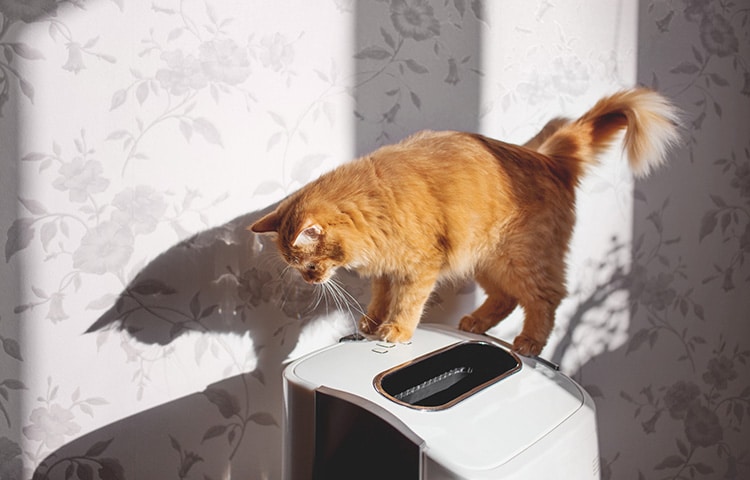
- Use an air purifier to reduce pollen and dust.
- Wash your cat’s bedding regularly with hypoallergenic detergent.
- Switch to a dust-free litter to avoid respiratory irritation.
- Keep on top of routine flea treatments.
- Regular vet visits are also essential to check your cat’s progress and adjust their treatment plan if needed.
Living with a cat with allergies
Treating your cat’s allergies can be challenging, but with proper care, your feline friend can live a happy, healthy life.
Pet insurance can help cover the cost of allergy-related treatments. Learn more about our cat insurance or get a quote today.